
The Best Guide to Recycling Milk Cartons
Are you wondering if you can recycle milk cartons? The short answer is: Yes. Both gable-top and aseptic milk cartons are recyclable. This guide will walk you through everything you need to know. We will cover the different types of milk cartons, how to prepare them for recycling, where to recycle them, and what happens once they’re processed. Let’s explore milk carton recycling and discover how you can contribute to a more sustainable future.
Key Takeaways
- Milk cartons are recyclable but require preparation to avoid contamination, such as rinsing and keeping them intact.
- Recycling milk cartons helps conserve resources and reduce greenhouse gas emissions, significantly contributing to environmental sustainability.
- Producers are vital to improving recycling in Alberta through Extended Producer Responsibility (EPR). This policy encourages sustainable packaging and consumer education, helping reduce waste and enhance recycling systems.
Understanding Milk Cartons
There are two main types of milk cartons: gable-top and aseptic cartons.
- Gable-top cartons are traditional containers with a peaked top commonly used for perishable beverages like milk and juice. These cartons are primarily made from paper sourced from renewable wood resources and include a plastic liner to secure the liquid contents. Their design makes them easy to open and pour, but they require extra attention when recycling.
- Aseptic cartons are designed for shelf-stable products like almond milk, soy milk, soups, and broths. These cartons are a modern marvel, made from approximately 74% paper, 22% plastic, and 4% aluminum. The combination of materials ensures that the contents remain fresh without refrigeration, making aseptic cartons a versatile option in today’s grocery market.
Both types aim to provide durable and effective packaging while being largely recyclable. Understanding their composition is the first step towards efficient and responsible recycling practices. So, can these cartons be recycled, and how?
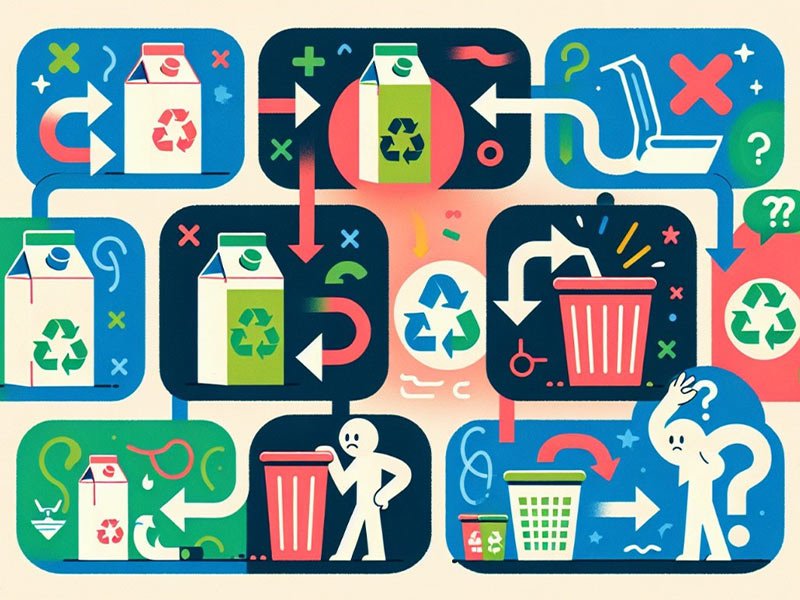

Can Milk Cartons Be Recycled?
Gable-top and aseptic milk cartons can be recycled, although they are not classified solely as paper. Gable-top cartons consist of about 80% paper and 20% plastic, while aseptic cartons are a mix of paper, plastic, and aluminum. Both are designed with recycling in mind but must be emptied to ensure proper processing.
Recycling milk cartons involves several steps, from preparation to transforming them into new products. By doing so, you help reduce waste and conserve valuable resources, benefiting both the environment and the community.
How to Prepare Milk Cartons for Recycling
Preparing milk cartons for recycling is simple but essential. Rinse them thoroughly to remove any leftover food or liquid, preventing contamination of other recyclables. Ensure the carton is clean before placing it in the appropriate recycling container.
Tuck any straws inside and screw the cap back on, if applicable. These steps minimize contamination and make the recycling process smoother.
Where to Recycle Milk Cartons
In Alberta, milk cartons can be recycled through bottle depots, which accept a variety of beverage containers, including milk cartons, plastic jugs, and cartons for plant-based drinks like almond or soy milk. Bottle depots play a crucial role in ensuring these materials are properly recycled, helping to reduce waste and divert cartons from landfills.
To recycle your milk cartons, simply take them to your local bottle depot. Cartons typically don’t need to be sorted separately from other recyclables, making the process convenient for residents. Check with your nearest depot for specific guidelines and operating hours to ensure proper disposal.
What Happens After You Recycle Milk Cartons?
After collection, milk cartons are sent to a Materials Recovery Facility (MRF), where they are sorted by material, such as paper, plastic, or aluminum. Once sorted, the cartons are sent to paper mills, where they undergo a process called hydro-pulping. This process separates the paper fibres from the plastic and aluminum layers. The paper fibres are then repurposed into new products like paperboard for packaging or building materials. The plastic and aluminum are processed for use in other items.
Recycling milk cartons helps conserve natural resources and reduces the energy needed to produce new products from raw materials, underscoring the importance of participating in local recycling programs.
Environmental Impact of Recycling Milk Cartons
Recycling milk cartons has a significant positive impact on the environment. Diverting them from landfills reduces waste and helps preserve the environment. Additionally, their lightweight design requires less energy for transportation, reducing fossil fuel consumption.
Recycling milk cartons dramatically reduces greenhouse gas emissions—comparable to removing 25 million cars from the road. This substantial impact highlights the importance of carton recycling in combating climate change.
Proper milk carton recycling promotes environmental sustainability and responsible waste management. By participating, communities help create a healthier planet and a more sustainable future.

Common Challenges in Milk Carton Recycling
Despite the benefits, there are several challenges associated with milk carton recycling. One major issue is the lack of public awareness about which dairy containers are recyclable, leading to confusion and improper disposal, which contaminates the recycling stream.
Another challenge is incorrect sorting practices at home. Many people mistakenly place paper milk cartons into compost bins instead of recycling bins, causing operational difficulties at recycling facilities and resulting in waste.
Addressing these challenges requires better public education and clearer recycling guidelines to ensure the proper recycling of milk cartons.
Tips for Effective Milk Carton Recycling
Fostering a recycling habit within families is key to effective milk carton recycling. Encouraging family members to rinse and save containers for recycling can make a big difference. Setting a recycling goal, such as collecting a certain number of containers each month, can motivate more active participation in recycling efforts.
Community involvement is also crucial for improving recycling rates. Participating in local recycling programs and educating others about the importance of recycling can enhance overall efforts. By working together, families and communities can make a substantial environmental impact through effective milk carton recycling and support for recycling programs.
Alternative Uses for Milk Cartons
Milk cartons can be repurposed creatively, offering educational and fun activities. Engaging students in recycling projects promotes environmental responsibility and instills lifelong habits. Educational programs in schools can enhance students’ understanding of recycling and empower educators to teach sustainability effectively.
DIY projects are another excellent way to repurpose milk cartons. They can be transformed into planters for herbs or small plants, making great family gardening projects. Homemade bird feeders crafted from milk cartons are a fun and engaging activity that supports wildlife and creativity.
Milk cartons can be used during the holidays to create festive decorations, such as reindeer crafts. They can also be repurposed as coin pouches, offering practical and eco-friendly storage solutions while promoting DIY skills. These alternative uses for milk cartons reduce waste and encourage both creativity and environmental consciousness.
The Role of Producers in Milk Carton Recycling
Producers play a crucial role in the recycling of milk cartons in Alberta. The province is moving towards adopting Extended Producer Responsibility (EPR), which will make producers accountable for the lifecycle of their packaging, including its disposal and recycling. This shift will enhance recycling efficiency and promote more sustainable packaging designs.
While Alberta is still developing its EPR framework, producers are encouraged to take greater responsibility for their products’ environmental impact. This approach aligns with national efforts to reduce waste and improve recycling rates.
By adopting EPR policies, producers can:
- Support and invest in local recycling programs
- Reduce the environmental impact of their packaging
- Contribute to the funding of recycling infrastructure
- Promote sustainable practices among consumers
Producers can further contribute by designing packaging that is easier to recycle and by educating consumers on proper recycling practices. As Alberta moves towards a more sustainable future, producers will play a key role in conserving natural resources, reducing landfill waste, and supporting the province’s recycling goals.
FAQs
Can all types of milk cartons be recycled?
Yes, all milk cartons, including gable-top and aseptic, can be recycled if emptied and prepared properly. For the best results, be sure to follow your local recycling guidelines.
How should I prepare milk cartons for recycling?
To recycle milk cartons effectively, rinse them thoroughly, tuck any straws inside, and secure the cap. These steps ensure they are properly prepared for recycling.
Where can I recycle milk cartons?
Milk cartons can be recycled by taking them to your local bottle depot. Simply rinse the cartons and bring them—there is no need to sort them separately. Check with your nearest depot for guidelines and operating hours.
What happens to milk cartons after they are recycled?
After recycling, milk cartons are sorted and transformed into new products, such as paperboard or building materials. This process conserves resources and supports sustainability efforts.
What are some alternative uses for milk cartons?
Milk cartons can be creatively repurposed into planters, bird feeders, festive decorations, and coin pouches, offering a great opportunity to reduce waste while fostering creativity.
Summary
Recycling milk cartons is a simple yet impactful way to contribute to environmental sustainability. We can make a significant difference by understanding the different types of milk cartons and their recyclability, properly preparing them for recycling, and participating in local recycling programs. Recycling milk cartons conserves natural resources and reduces greenhouse gas emissions, helping create a healthier planet.
Addressing common challenges and encouraging community involvement can improve recycling rates and reduce contamination. Additionally, creatively repurposing milk cartons can further reduce waste and promote environmental awareness. With the support of producers, we can ensure that milk cartons are recycled effectively, leading to a more sustainable future.